Beyond the Job Title: Finding the UK Care Role That Fits Your Life in 2026
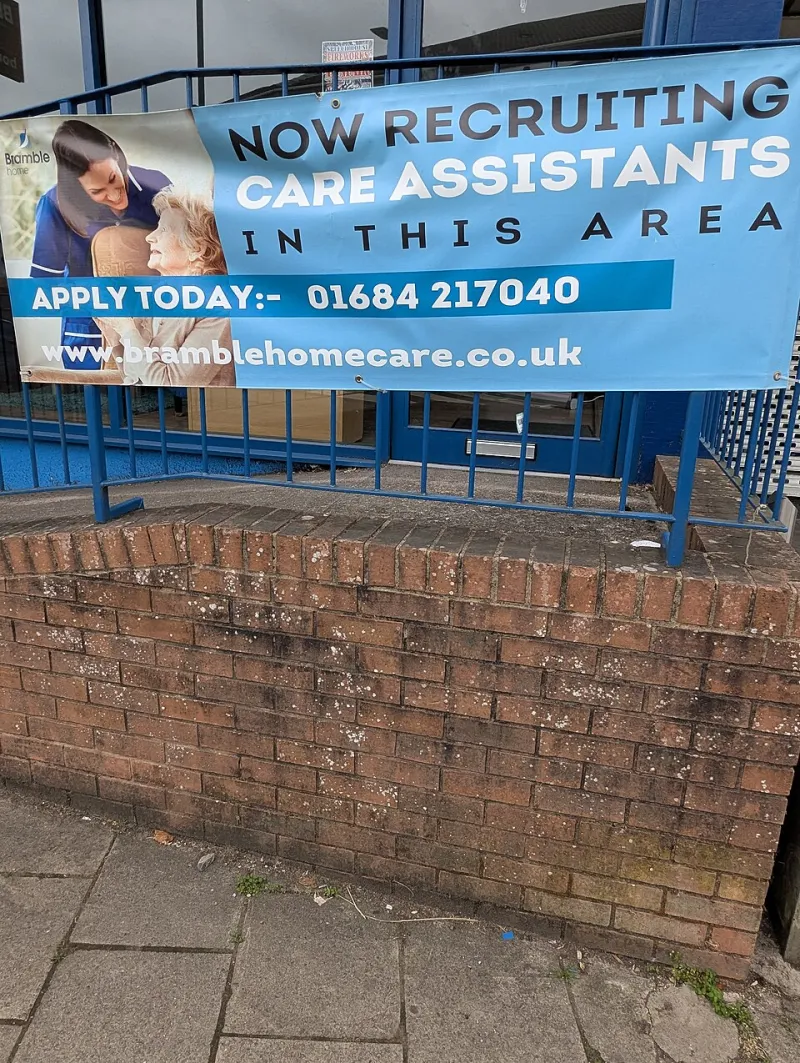
Photo: Jaggery , CC BY-SA 2.0, via Wikimedia Commons
Care job adverts in the UK have a habit of making the same work sound like five different careers. One employer wants a 'care assistant', another a 'support worker', a third a 'healthcare assistant'. On paper the titles look interchangeable. In practice, they can mean very different days, different shift patterns and different levels of clinical responsibility.
At All Care Jobs, we see this confusion every week. The useful rule is simple: treat the job title as a signpost, not a specification. The job description, the setting and the shift pattern tell you what the role will actually ask of you. Here is a plain-English decoder for 2026.
Why the same title can mean three different jobs
Adult social care job titles are not protected in the way 'nurse' or 'social worker' is. A care home, a home care agency and a supported living charity can all use 'care assistant' for roles with different duties. NHS employers tend to use 'healthcare support worker' or 'healthcare assistant', but even those vary between wards, clinics and community teams.
That is why two adverts with the same title can offer different pay, different training and a completely different working day. Read the duties first. Then look at the setting. Then check the hours. The title comes last.
Care assistant: the flexible all-rounder
A care assistant usually provides practical, personal support. In a care home that might mean helping people wash, dress, use the toilet, eat and move safely. You might also join in activities, update care records and work with nurses and families. In home care, the same title often means travelling between people's homes to help with personal care, medication prompts, meals and companionship.
Typical pay in 2026 for entry-level adult social care roles is often around the National Living Wage, with many employers advertising roughly £12 to £14 an hour outside London and a little more in London. Care home and home care roles may pay extra for weekends, nights or bank holidays. Always ask about travel time and mileage if the job involves driving between visits.
Qualifications are usually modest on paper: no formal care qualification is normally required, but you will be expected to complete the Care Certificate during induction, pass an enhanced DBS check and learn moving and handling, safeguarding and medication procedures. The real requirement is temperament. You need to be comfortable with personal care, patient with repetition and reliable when someone is depending on you.
Support worker: independence-focused, but check the setting
'Support worker' is the broadest title in the sector. In supported living, it often means helping adults with learning disabilities, autism or mental health needs to live as independently as possible. That could involve prompting medication, helping with cooking and bills, supporting appointments, encouraging social contact and keeping good boundaries. Personal care may or may not be part of the role.
In other settings, a support worker might work with people who are homeless, recovering from addiction or living with dementia. Shift patterns can include evenings, weekends, waking nights and sleep-ins. Some employers ask for a Level 2 or Level 3 health and social care qualification, but many will fund training for the right person.
The temperament fit is different from a traditional care assistant role. Support work often suits people who are calm, good at building trust and happy to work one-to-one. You will need to be consistent, non-judgemental and clear about safeguarding. If an advert mentions 'positive behaviour support' or 'complex needs', ask what that means day to day before you apply.
Healthcare assistant: clinical support in the NHS or private hospitals
A healthcare assistant, or HCA, usually works alongside nurses and other clinicians. On a hospital ward you might take observations, help with personal care, support meals and mobility, prepare beds and record information. In an outpatient clinic or theatre setting, the tasks may be more specialised. Some HCAs train to take blood, perform ECGs or carry out other delegated clinical tasks, but only after training and under supervision.
NHS HCA roles are usually advertised at Band 2 or Band 3, with full-time salaries often in the region of £24,000 to £28,000 depending on band, experience and location. Private hospitals and GP surgeries set their own rates. The work is often shift-based, including nights and weekends, and the pace can be brisk.
You do not always need formal care experience to start as an HCA, but employers value it. The Care Certificate is common, and a Level 2 or Level 3 qualification can help with progression. More important is comfort in a clinical environment: attention to detail, good communication and the ability to follow instructions precisely.
Other titles you will see
Domiciliary carer is usually home care by another name. Reablement assistant focuses on helping people regain independence after illness or hospital. Personal assistant, or PA, often means one-to-one support funded by a direct payment or personal budget. Senior care assistant usually includes medication, mentoring and shift leadership. Nursing assistant may be used in private care settings, but it does not mean you are a registered nurse.
How to choose the role that fits your life
Ask yourself a few practical questions. Do you want to work in one place or travel between homes? Are you happy doing personal care, or would you rather focus on independence skills? Do you want clinical tasks or social support? Can you work nights and weekends? Do you prefer a team or lone working?
Then read adverts for clues. Phrases like 'personal care', 'medication', 'sleep-in', 'driving licence', 'clinical duties' and 'behaviour that challenges' tell you more than the title. If you are unsure, ring the employer and ask what a typical shift looks like. A good employer will welcome the question.
Job titles in care are messy, but that is not a reason to avoid them. It is a reason to look past the label. The right role is the one whose daily tasks, training and shift pattern suit the way you actually want to work. All Care Jobs lists vacancies across care homes, home care, supported living and the NHS, so you can compare the detail rather than guess from the headline.